
Questions
When Do Puppies Go to the Vet for the First Time?
Puppies should see the vet for the first time around 6 to 8 weeks of age, soon after you welcome them home. This first visit includes a full exam, initial vaccinations, and a deworming plan. Early care sets the foundation for a healthy life.
When Should Your Puppy See the Vet for the First Time?
Your puppy should have its first vet visit between 6 and 8 weeks of age, soon after you welcome them home. This timing is critical because maternal antibodies start to fade, leaving your puppy vulnerable to diseases like parvovirus and distemper.
- Schedule within a week of bringing your puppy home, even if they seem healthy. Early detection of hidden issues can save you heartache and money.
- Call your vet to book the appointment. Mention your puppy's age and breed so the team can prepare.
- Bring any adoption or breeder records to the visit, including vaccination history and deworming dates, if available.
- Plan for follow-ups—your vet will map out a booster schedule every 3 to 4 weeks until your puppy is around 4 months old.
If you're in Forest Hills or nearby Rego Park, our team at Austin Veterinary Care is ready to see your new puppy. We offer same-day urgent care during business hours if you notice any concerns before the scheduled visit.

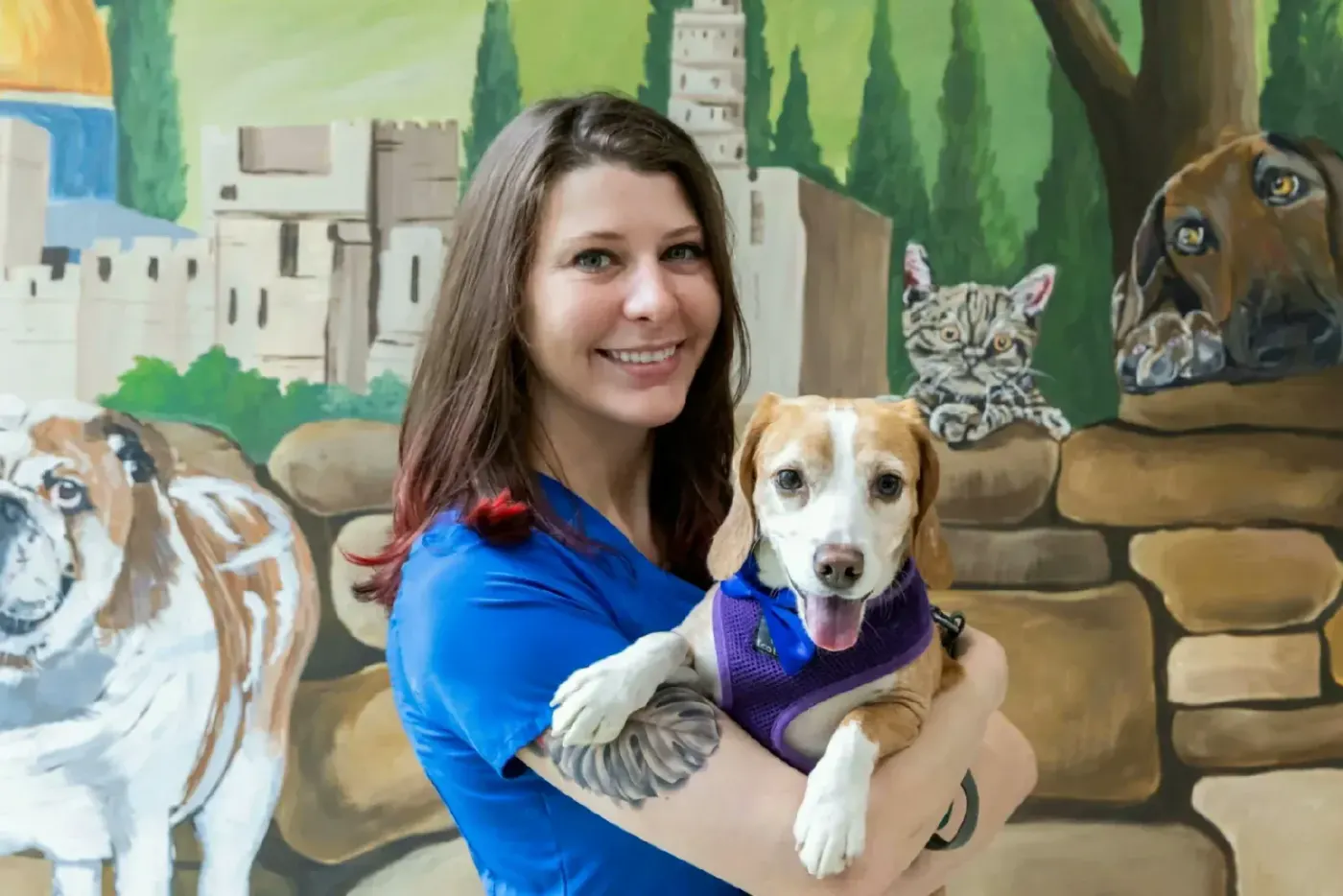
What to Expect at Your Puppy's First Vet Visit
Your puppy's first vet visit is a comprehensive wellness exam. Here's what happens step by step:
- Weight and temperature check — We record your puppy's weight and take a baseline temperature to assess overall health.
- Physical exam — Our vet checks eyes, ears, nose, mouth, skin, coat, heart, lungs, abdomen, and joints for any abnormalities.
- Fecal exam — A stool sample is checked for intestinal parasites like roundworms or hookworms.
- Vaccination — Your puppy receives its first core vaccines (typically DHPP) to start building immunity.
- Deworming and parasite prevention — We administer deworming medication and discuss flea, tick, and heartworm prevention options.
- Nutrition and care counseling — Our team provides guidance on diet, house training, teething, and socialization.
If you have concerns about your puppy's behavior or health, this is the perfect time to ask. We're here to support you every step of the way.
Puppy First Vet Visit Checklist: What to Bring
Being prepared makes the first vet visit smoother for you, your puppy, and the vet. Here's a checklist of what to bring:
- Medical records—any vaccination history, deworming records, or adoption paperwork from the breeder or shelter.
- Fresh stool sample—collected within 12 hours of the appointment, kept in a clean container or bag.
- Puppy food bag or label—so the vet can assess the nutritional quality and portion sizes.
- List of questions—write down anything you want to ask, from vaccination side effects to when to switch to adult food.
- Leash and collar or carrier—for safety and comfort during the visit.
- Treats—to reward your puppy and help them associate the vet with positive experiences.
- Pee pads or towels—in case of accidents in the waiting room or exam room.
If you're unsure about anything, call us at (718) 480-6100. We're located at 68-60 Austin St Store #8, Forest Hills, NY 11375, and we're happy to answer your questions before you come in.
What Happens After the First Visit: Puppy Vaccination Schedule
After the first visit, your puppy will need a series of booster shots to build strong immunity. The schedule typically runs every 3 to 4 weeks until your puppy is around 4 months old.
| Age | Vaccines | Notes |
|---|---|---|
| 6–8 weeks | Distemper, parvovirus, adenovirus (DHPP) | First dose; also deworming and fecal test. |
| 10–12 weeks | DHPP booster, bordetella (kennel cough) if needed | Second dose; rabies vaccine may be given depending on local laws. |
| 14–16 weeks | DHPP booster, rabies, leptospirosis if recommended | Final core vaccines; immunity is now solid. |
| 16+ weeks | Boosters as needed | Annual boosters thereafter. |
Your vet will tailor the schedule to your puppy's lifestyle and risk factors. For example, if your puppy will be around other dogs in parks like Yellowstone Park in Rego Park, they may recommend additional vaccines like leptospirosis or canine influenza.
Directions to our vet in Forest Hills from Rego Park
Start at Rego Park and head to Austin Veterinary Care at 68-60 Austin St Store #8, Forest Hills, NY 11375.
What to Expect at Your Puppy's First Vet Visit
During the first visit, our veterinarian performs a thorough examination to ensure your puppy is healthy and developing normally. Here's what we do:
- Review history — We ask about your puppy's diet, elimination habits, activity level, and any symptoms you've noticed.
- Head-to-tail exam — We check eyes for discharge or redness, ears for infection, teeth for alignment, and skin for parasites or rashes.
- Heart and lung auscultation — Using a stethoscope, we listen for heart murmurs, irregular rhythms, and clear lung sounds.
- Abdominal palpation — We gently feel the abdomen to check for organ size, pain, or masses.
- Joint and mobility assessment — We evaluate hip and knee stability, especially in breeds prone to hip dysplasia.
- Behavioral observation — We note your puppy's temperament and offer tips on socialization and training.
This exam helps us establish a baseline for your puppy's health and catch any issues early.
How Much Does a Puppy's First Vet Visit Cost?
The cost of a puppy's first vet visit varies depending on location, clinic, and what's included. In Forest Hills, you can expect to pay for the exam, vaccinations, and fecal test. Many clinics, including ours, offer a free first exam for new clients—just ask about the terms.
| What drives cost | Why it matters | Typical range |
|---|---|---|
| Office visit / exam fee | Covers the vet's time and expertise | $50–$100, but often waived for new clients |
| Core vaccines (DHPP) | Protects against deadly diseases | $20–$40 per vaccine |
| Fecal test | Detects intestinal parasites | $25–$50 |
| Deworming | Treats common worms | $15–$30 |
| Rabies vaccine | Required by law | $15–$30 |
Total first visit costs can range from $100 to $300 or more. We accept major credit cards, cash, and CareCredit to help you manage costs. If you're concerned about affordability, our team can discuss options like payment plans or financing.
What to Bring and Ask at Your Puppy's First Vet Visit
- Bring medical records. Include any vaccination history, deworming dates, and the breeder or shelter's health certificate if you have it.
- Bring a fresh stool sample. Collect it within 24 hours of the visit so we can check for intestinal parasites.
- Bring your puppy on a leash or in a carrier. A secure restraint keeps everyone safe and reduces your puppy's stress in the waiting room.
- Bring a list of questions. Write down anything about feeding, training, behavior, or housebreaking so you don't forget during the exam.
- Ask about the vaccination schedule. We'll outline which shots your puppy needs and when to return for boosters.
- Ask about parasite prevention. Get our recommendation for flea, tick, and heartworm control that's safe for your puppy's age and weight.
What Happens During a Puppy's First Vet Visit
A puppy's first vet visit is designed to be thorough but gentle. Here's a step-by-step overview of what takes place:
- Check-in and history — Our team gathers information about your puppy's background, vaccinations, and any concerns.
- Full physical exam — The vet examines your puppy from nose to tail, including eyes, ears, mouth, skin, heart, lungs, and abdomen.
- Diagnostic tests — We perform a fecal exam to check for parasites and may recommend bloodwork to screen for underlying conditions.
- Vaccinations and preventive care — Your puppy receives age-appropriate vaccines and deworming medication.
- Nutrition and training advice — We provide recommendations on diet, feeding schedule, house training, and socialization.
- Next steps — We schedule follow-up appointments for booster shots and discuss spay/neuter timing.
Our goal is to make the experience positive for both you and your puppy, setting the foundation for a lifetime of good health.
For details on services and visits, see the main page about vet forest hills.
Sources
Frequently asked questions
When to go to the vet for a puppy?
Take your puppy to the vet for the first time around 6 to 8 weeks of age, or as soon as you bring them home if they're older. This visit is crucial for vaccinations, deworming, and a health check. After that, follow the vet's recommended schedule for boosters and wellness exams.
Can I take my 9 week old puppy for a walk outside?
Yes, you can take your 9-week-old puppy outside, but be cautious. Until they've completed their core vaccinations (usually around 16 weeks), avoid areas where other dogs may have been, like dog parks. Carry your puppy in public spaces or stick to your own yard to reduce the risk of disease.
What is the 3-3-3 rule for puppies?
The 3-3-3 rule helps you understand your new puppy's adjustment period: 3 days of feeling overwhelmed, 3 weeks of settling in, and 3 months of building trust and bonding. During the first 3 days, give your puppy space and a routine. By 3 weeks, they'll start to show their personality, and by 3 months, they'll feel at home.
What month is hardest with a puppy?
Many owners find the adolescent phase, around 6 to 12 months, the most challenging. During this time, puppies may test boundaries, have energy surges, and show stubbornness. Consistent training, exercise, and patience are key. The puppy teething phase (around 4-6 months) can also be tough due to chewing and discomfort.
Can I leave my 8 week old puppy alone for 3 hours?
An 8-week-old puppy can usually be left alone for about 1 to 2 hours at a time. They need frequent bathroom breaks and can't hold their bladder for long. If you must leave for 3 hours, consider a puppy sitter or a safe confinement area with puppy pads. Gradually increase alone time as they grow.
Also asked as
- When should a new puppy have its first vet visit?
- What is the ideal age for a puppy's first vet appointment?
- How soon after bringing a puppy home should I see the vet?