
Questions
Do Cats Need Bloodwork Every Year? Yes — Here's Why
Yes, healthy adult cats should have bloodwork at least once a year. Senior cats (10+) and those with health conditions often need testing every six months. Annual bloodwork catches hidden issues early, even when your cat seems fine.
Do cats need bloodwork every year? Yes — here's the recommended schedule
Yes, annual bloodwork is the standard recommendation for healthy adult cats. Your cat's age and health status determine how often testing is needed, but once a year is the general guideline for most cats.
| Cat's life stage | Recommended frequency | Why it matters |
|---|---|---|
| Kittens (under 1 year) | As needed during sick visits | Young cats should have blood work run anytime they are sick, to rule out infections or congenital issues. |
| Young adults (1–6 years) | Once a year | Annual testing establishes baseline values and catches early signs of disease, even in healthy cats. |
| Mature adults (7–9 years) | Once a year | Risk for chronic conditions like kidney disease and thyroid issues increases; yearly testing helps monitor. |
| Seniors (10+ years) | Every 6 months | Senior cats are at higher risk for age-related diseases; more frequent testing allows earlier intervention. |
| Cats with health conditions | Every 3–6 months | Chronic conditions like diabetes or kidney disease require closer monitoring to adjust treatment. |
How often your cat needs testing depends on their age, breed, and overall health. Our team at Austin Veterinary Care in Forest Hills can recommend a schedule tailored to your cat.


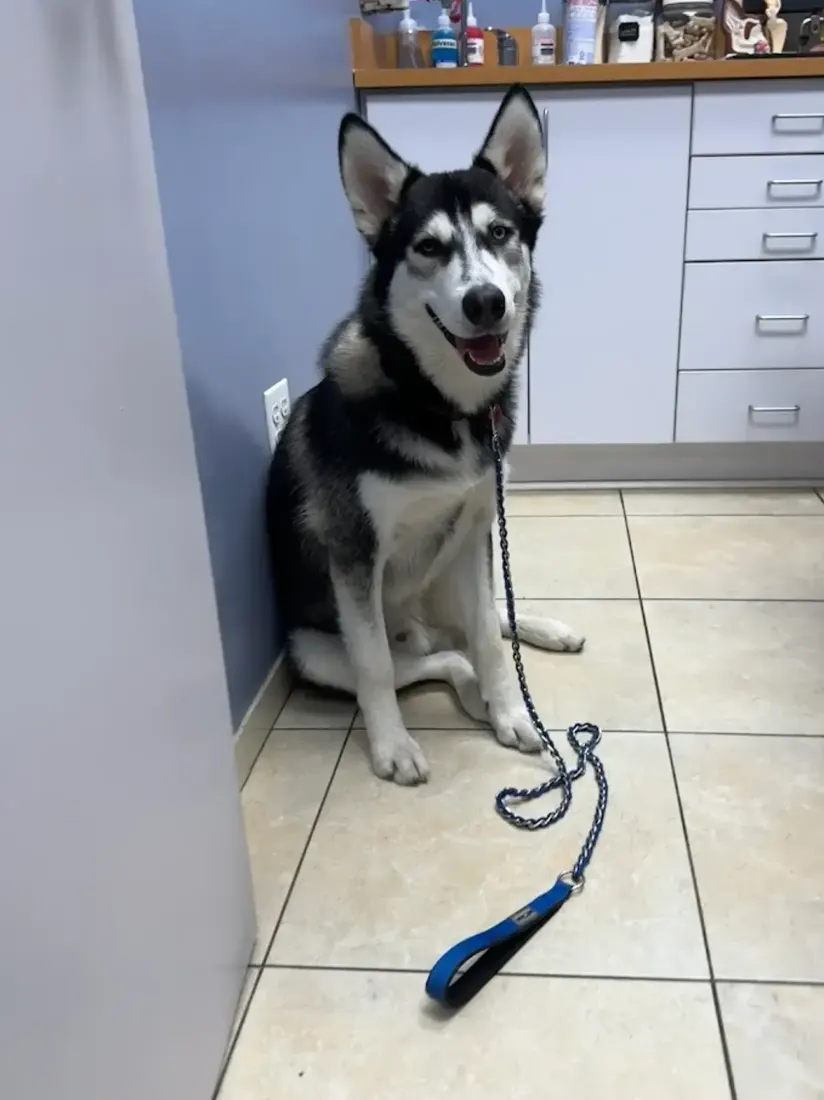

Why routine bloodwork matters — even for healthy cats
Annual bloodwork helps catch hidden health issues before they become serious. Cats are experts at hiding illness, so routine testing is one of the best tools we have to keep them healthy.
- Early detection — Annual bloodwork can reveal early signs of kidney disease, diabetes, or thyroid problems before symptoms appear.
- Baseline values — Regular testing establishes your cat's normal ranges, making it easier to spot subtle changes over time.
- Hidden issues — Many conditions, like chronic kidney disease, show no outward signs until they're advanced; bloodwork catches them earlier.
- Treatment success — Catching diseases early often means more treatment options and better outcomes.
- Peace of mind — Knowing your cat's bloodwork is normal can reassure you that your feline friend is truly healthy.
Routine bloodwork is important for young cats too, not just seniors. Starting early creates a health history that helps us make better decisions throughout your cat's life.
Senior cats and cats with health conditions: when to test more often
A good fit if…
- Your cat is 10 years or older — twice-yearly bloodwork is the standard recommendation.
- Your cat has a chronic condition like kidney disease, diabetes, or hyperthyroidism — more frequent testing helps adjust treatment.
- Your cat is on long-term medication — regular bloodwork monitors for side effects.
Consider another option if…
- Your cat is young and healthy with no risk factors — annual testing may be sufficient.
- Your cat has a terminal illness and you've chosen palliative care — discuss testing frequency with your vet.
If your cat falls into the senior or chronic condition category, talk to us about a tailored testing schedule. We're located in Forest Hills and also serve Rego Park, Kew Gardens, and nearby neighborhoods.
What's in a cat blood panel? A quick guide to the tests
Cat blood tests are usually recommended for all life stages. A standard panel includes several key tests that give us a broad picture of your cat's health.
| Test | What it checks | What it can reveal |
|---|---|---|
| Complete Blood Count (CBC) | Red and white blood cells, platelets | Anemia, infection, inflammation, clotting issues |
| Blood chemistry panel | Organ function, electrolytes, enzymes | Kidney disease, liver issues, diabetes, dehydration |
| Thyroid hormone (T4) test | Thyroid function | Hyperthyroidism, common in older cats |
| Feline leukemia virus (FeLV) / FIV test | Viral infections | FeLV and FIV, especially in cats with risk factors |
Depending on your cat's symptoms or age, we may recommend additional tests. Our in-house lab at Austin Veterinary Care provides fast results, so we can act quickly if something's off.
Directions to our vet in Forest Hills from Forest Park
Start at Forest Park and head to Austin Veterinary Care at 68-60 Austin St Store #8, Forest Hills, NY 11375.
Cat bloodwork cost: what to expect and why it's worth it
The cost of cat bloodwork varies based on the tests included, your location, and whether it's part of a wellness visit. Generally, a basic blood panel can range from $50 to $150, while a comprehensive panel with thyroid testing may cost more. At Austin Veterinary Care, we'll provide a clear quote before any testing.
| Factor | Why it matters | Typical range |
|---|---|---|
| Basic panel (CBC + chemistry) | Covers common health checks | $50–$100 (varies) |
| Comprehensive panel (adds T4, etc.) | More detailed, especially for seniors | $100–$200 (varies) |
| Additional tests (FeLV/FIV, etc.) | Based on risk or symptoms | $20–$50 each (varies) |
| Location | Urban clinics may charge more | Varies by area |
While cost is a consideration, early detection can save you money in the long run by avoiding costly emergency treatments. We accept major credit cards, cash, and CareCredit to help make care affordable.
Book your cat's bloodwork at Austin Veterinary Care in Forest Hills
Getting your cat's bloodwork done is simple. Here's how to schedule an appointment with us.
- Call us — Reach us at (718) 480-6100 during business hours to book a wellness exam.
- Visit our clinic — We're at 68-60 Austin St Store #8, Forest Hills, NY 11375, near Parkside station.
- Bring your cat — We'll do a full wellness exam and recommend the right blood tests for your cat's age and health.
- Get results fast — Our in-house lab means you'll have answers quickly, often the same day.
- Review and plan — We'll explain the results and create a care plan if needed.
We're open Monday through Friday, with hours that fit most schedules. New clients get a free first exam (terms apply).
Common questions about cat bloodwork and wellness visits
What is the silent killer of cats? Chronic kidney disease is often called a silent killer because it progresses slowly and shows few symptoms until it's advanced. Annual bloodwork is key to catching it early.
What is the 3-3-3 rule for cats? The 3-3-3 rule applies to cats adjusting to a new home: 3 days to decompress, 3 weeks to learn your routine, and 3 months to feel fully at home. It's not directly related to bloodwork, but it's a common question for new cat owners.
How expensive is bloodwork for a cat? Costs vary, but a basic panel typically runs between $50 and $150. We'll always give you a quote before testing.
If you have more questions, feel free to call us. We're happy to help cat owners in Forest Hills and beyond understand their feline's health needs.
Sources
Frequently asked questions
What is the silent killer of cats?
Chronic kidney disease is often called the silent killer of cats because it develops slowly and symptoms may not appear until 70% of kidney function is lost. Annual bloodwork can detect early kidney issues, allowing for dietary and medical interventions that slow progression.
What is the 3-3-3 rule for cats?
The 3-3-3 rule describes a cat's adjustment to a new home: 3 days to decompress, 3 weeks to learn your routine, and 3 months to feel fully comfortable. It's a helpful guideline for new cat owners, but it's separate from veterinary care recommendations.
How expensive is bloodwork for a cat?
The cost varies based on the tests and your location. A basic blood panel typically ranges from $50 to $150, while a more comprehensive panel with thyroid testing may cost more. At our Forest Hills clinic, we provide a clear estimate before any testing.
Why is blood work so expensive for cats?
Blood work involves specialized equipment, reagents, and trained staff to run and interpret the tests. In-house labs like ours can offer faster results, which may be slightly more costly than sending samples out. The price reflects the diagnostic value that helps prevent costly emergencies.
Should cats get yearly bloodwork?
Yes, the American Veterinary Medical Association and most veterinarians recommend annual bloodwork for healthy adult cats. It establishes baselines and catches hidden issues early. Senior cats (10+) should have bloodwork every six months.
Also asked as
- How often should cats get blood tests?
- Is annual blood work necessary for cats?
- What blood work does a cat need yearly?