
Questions
Puppy Alone Time Schedule by Age: A Complete Guide
A puppy can generally be left alone for one hour per month of age, up to a maximum of 8 hours. For example, a 3-month-old puppy can handle about 3 hours. Always consider potty breaks, exercise, and your puppy's individual needs.
What's the Simple Rule for Puppy Alone Time by Age?
The simplest guideline is the one-hour-per-month rule: a puppy can be left alone for about one hour for every month of age, up to a maximum of eight hours. This is a general rule recommended by many veterinarians and trainers. It helps prevent accidents and anxiety while your puppy's bladder and self-control are still developing.
| Age | Maximum Alone Time | Why It Matters |
|---|---|---|
| 8–10 weeks | 1–2 hours | Very young puppies need frequent potty breaks and can't hold their bladder long. |
| 3 months | 3 hours | Bladder control improves, but still limited. Crate training can help. |
| 4 months | 4 hours | Most puppies can make it through a workday if you come home at lunch. |
| 5 months | 5 hours | Better bladder control, but still needs a mid-day break. |
| 6 months | 6 hours | Most puppies can handle a full workday with a lunchtime potty break. |
| Adult (1+ year) | 8 hours | Most adult dogs can be left alone for a standard workday. |
This rule is a starting point. Every puppy is different, and factors like breed, size, and health can affect how long they can comfortably be alone. For example, a tiny Chihuahua may need more frequent breaks than a larger breed. If you're unsure, err on the side of shorter alone time.
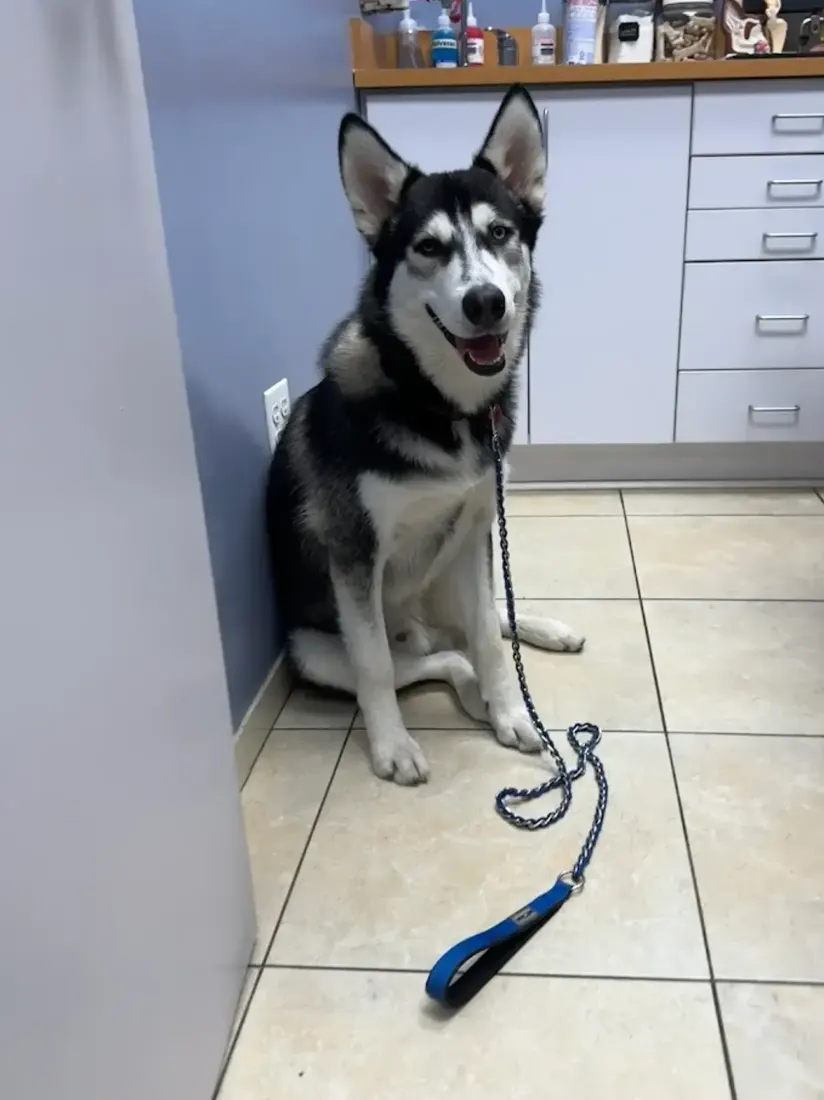
Alone Time by Age: A Schedule from 8 Weeks to 6 Months
To help you plan your days, here's a more detailed schedule for how alone time changes as your puppy grows. This schedule assumes you're providing a safe, comfortable space and a potty area if needed.
| Age | Max Alone Time | Potty Breaks Needed | What to Expect |
|---|---|---|---|
| 8–10 weeks | 1–2 hours | Every 1–2 hours | Very high energy, frequent accidents. Need a designated potty spot. |
| 11–12 weeks | 2–3 hours | Every 2–3 hours | Starting to learn house training, but still unreliable. |
| 3–4 months | 3–4 hours | Every 3–4 hours | Better bladder control. Can start using a crate for short periods. |
| 4–5 months | 4–5 hours | Every 4–5 hours | More reliable, but still needs a midday break. |
| 5–6 months | 5–6 hours | Every 5–6 hours | Most puppies can handle a workday if you come home at lunch. |
| 6 months+ | 6–8 hours | Every 6–8 hours | Adult-like control. Can be left alone for a full workday. |
Remember, this is a general schedule. Some puppies may need more or less time. Always adjust based on your puppy's individual behavior and needs. If you live in Forest Hills or nearby Rego Park, you might be away for longer due to commuting. Plan ahead and consider a dog walker or daycare if needed.
Practical Tips for Leaving Your Puppy Alone at Every Age
Leaving a puppy alone can be stressful for both of you. Here are actionable steps to make each session safe and stress-free, whether you're in Forest Hills or anywhere else.
- Start Small and Build Up — Begin with very short departures (just a few minutes) and gradually increase the time. This helps your puppy learn that you always come back.
- Create a Safe Space — Set up a puppy-proofed area with a comfortable bed, water, and safe chew toys. Consider a crate if you're using one, but never use it as punishment.
- Provide a Potty Area — For young puppies, place puppy pads or a grass patch in a corner. This prevents accidents and reduces anxiety.
- Exercise Before You Leave — A tired puppy is a calm puppy. Take your puppy for a walk or play session before you head out.
- Use Interactive Toys — Puzzle toys or treat-dispensing toys keep your puppy's mind busy and distract from your absence.
- Keep Goodbyes Low-Key — Don't make a big fuss when leaving or returning. This helps your puppy see your departure as normal.
If you're a new puppy owner in Forest Hills, you might also want to check out our guide on what to bring to your puppy's first vet visit. It's a great resource for getting started on the right paw.
Signs Your Puppy Is Ready for More Alone Time
Before you extend your puppy's alone time, watch for these signs that they're coping well. Every puppy is different, so use this checklist to gauge readiness.
- No Accidents — Your puppy is consistently using their potty area and not having accidents when left alone.
- No Destructive Behavior — They're not chewing furniture, digging at doors, or otherwise causing damage.
- Calm Demeanor — When you return, your puppy is relaxed, not overly excited or frantic.
- No Excessive Barking or Whining — Neighbors haven't complained about noise, and you don't see signs of distress on a camera.
- Eats and Drinks Normally — Your puppy is eating and drinking while you're away, which shows they're not stressed.
- Shows Interest in Toys — They engage with toys or chews you leave out, which is a healthy coping mechanism.
If your puppy shows these signs, you can gradually increase alone time by 30–60 minutes. If you see any red flags, like pacing, drooling, or destructive behavior, it's best to keep alone time shorter and work on training. For more help, consider a consultation with our team at Austin Veterinary Care in Forest Hills. We're here to support you and your puppy.
Directions to our vet in Forest Hills from West Side Tennis Club
Start at West Side Tennis Club and head to Austin Veterinary Care at 68-60 Austin St Store #8, Forest Hills, NY 11375.
Sources
Frequently asked questions
Can I leave my puppy alone while I'm at work?
Yes, but only if you can come home for a midday break or arrange for a dog walker. The one-hour-per-month rule means a 3-month-old puppy can be alone for about 3 hours. For longer workdays, consider daycare or a pet sitter.
What if I have to leave my puppy for 8 hours?
Leaving a puppy alone for 8 hours is not recommended until they're at least 6 months old, and even then, it's best to provide a potty area and plenty of enrichment. For younger puppies, you need a break mid-day. If you're in Forest Hills, you might consider a dog walker or daycare.
Should I use a crate for alone time?
Crate training can be a helpful tool, but it's not for every puppy. If used correctly, a crate can provide a safe den-like space. However, never leave a puppy in a crate longer than they can hold their bladder. Always provide water and a comfortable bed.
How do I know if my puppy has separation anxiety?
Signs of separation anxiety include excessive barking, destructive behavior, potty accidents even when house-trained, and pacing. If you notice these, consult your vet. They can recommend training strategies or, in some cases, medication.
What's the best way to leave a puppy alone for the first time?
Start with very short departures (5–10 minutes) and gradually increase. Make sure your puppy has a safe space, a potty area, and toys. Keep goodbyes low-key. If you're nervous, you can use a camera to monitor them.
Also asked as
- How long can a puppy be left alone by age?
- Puppy alone time chart by age
- When can a puppy be left alone for 8 hours?