
Questions
Senior Dog Blood Work Cost in Forest Hills: A Guide
Senior dog blood work in Forest Hills typically costs between $150 and $400, depending on the clinic and the tests included. At Austin Veterinary Care, we offer comprehensive panels with in-house diagnostics for fast, accurate results. Call us at (718) 480-6100 for a current quote.
What's Included in a Senior Dog Blood Panel
When we run senior dog blood work in Forest Hills, we're looking at a snapshot of your dog's organ function, red and white blood cells, and overall metabolic health. Here's what a typical panel includes:
| Test | What It Checks | Why It Matters for Seniors |
|---|---|---|
| Complete Blood Count (CBC) | Red blood cells, white blood cells, platelets | Detects anemia, infection, or clotting issues |
| Chemistry Profile | Kidney and liver enzymes, glucose, protein, electrolytes | Catches early signs of kidney disease, diabetes, or liver problems |
| Thyroid Test (T4) | Thyroid hormone levels | Hypothyroidism is common in older dogs and can cause weight gain, lethargy, and skin issues |
| Urinalysis | Urine concentration, protein, glucose, blood | Helps diagnose urinary tract infections, kidney disease, and diabetes |
| Electrolytes | Sodium, potassium, chloride | Important for hydration and heart/nerve function |
Some clinics offer add-ons like heartworm testing or a senior-specific panel that includes more detailed hormone tests. At Austin Veterinary Care, we tailor the panel to your dog's health history and any symptoms they're showing.
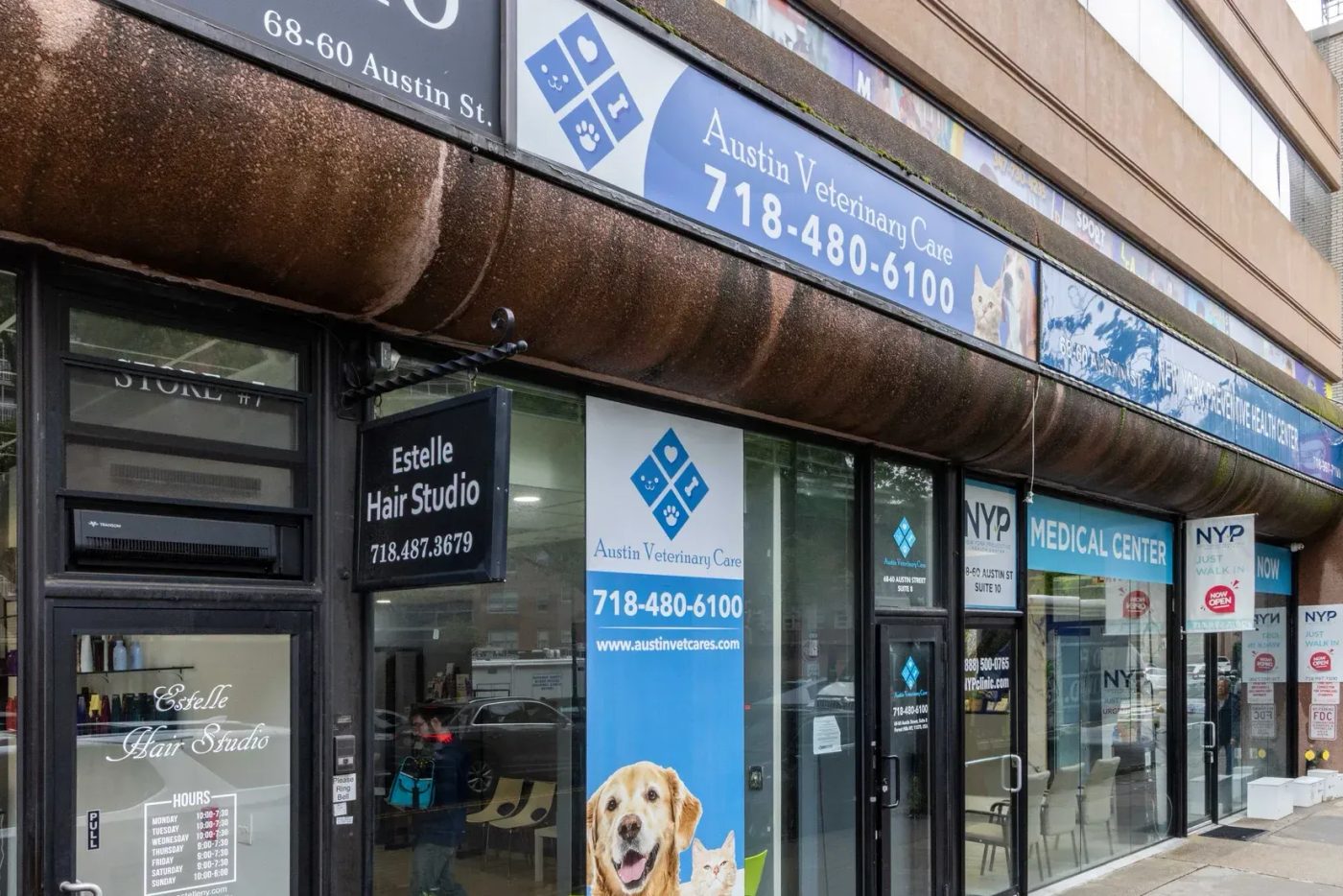

Typical Costs for Senior Dog Blood Work in Forest Hills
In Forest Hills, the cost of senior dog blood work varies by clinic, the type of panel, and whether it's part of a wellness exam. Generally, you can expect to pay between $150 and $400 for a comprehensive senior panel.
| Factor | Why It Matters | Typical Range |
|---|---|---|
| Type of panel | Basic panels (CBC + chemistry) are cheaper than full senior panels with thyroid and urinalysis | $100–$250 |
| In-house vs. send-out lab | In-house labs give results in minutes but may cost slightly more; send-out labs are cheaper but take 1–2 days | Varies by clinic |
| Clinic location | Prices in Forest Hills and nearby Rego Park can differ from other NYC neighborhoods | Varies |
| Additional tests | Add-ons like heartworm, electrolytes, or blood pressure increase the total | $20–$80 extra |
| Wellness exam fee | Blood work is often done during a wellness visit, which has its own cost | $50–$100 |
At Austin Veterinary Care, we offer transparent pricing and will give you a clear estimate before any testing. Call us at (718) 480-6100 to ask about current pricing for a senior dog blood panel in Forest Hills.
Does Pet Insurance Cover Senior Dog Blood Work?
Pet insurance can cover senior dog blood work, but it depends on your plan. Most accident-and-illness policies cover blood work when it's diagnostic—for example, if your dog is showing symptoms. Wellness or preventive care add-ons typically cover routine blood work for seniors.
| Plan Type | Covers Routine Blood Work? | Covers Diagnostic Blood Work? |
|---|---|---|
| Accident-only | No | Only if related to an accident |
| Accident & illness | No (unless wellness add-on) | Yes, when part of diagnosing an illness |
| Wellness add-on | Yes | Yes |
If you have insurance, check your policy details or call your provider to confirm coverage. For claims, you'll typically pay upfront and get reimbursed after submitting a claim. For more on how reimbursement works, see our guide on pet insurance reimbursement.
How Often Should Senior Dogs Get Blood Work?
For most senior dogs—generally those over 7 years old—annual blood work is the standard recommendation. Once your dog reaches 10 or has a chronic condition, every 6 months is often better. Here's a checklist to help you decide:
- Age 7–9: Annual blood work to establish a baseline and catch early changes.
- Age 10+: Twice-yearly blood work to monitor organ function and adjust care as needed.
- Chronic conditions: More frequent testing if your dog has kidney disease, diabetes, or thyroid issues—your vet will advise.
- Before anesthesia: Blood work within 30 days before any dental cleaning or surgery to ensure it's safe.
- New symptoms: If your dog shows changes in appetite, thirst, energy, or weight, don't wait for the next scheduled test.
Regular blood work is one of the best ways to catch problems early, when they're more treatable. For more on what to expect during a senior dog visit, see our guide on senior dog vet visits in Forest Hills.
Directions to our vet in Forest Hills from Yellowstone Park
Start at Yellowstone Park and head to Austin Veterinary Care at 68-60 Austin St Store #8, Forest Hills, NY 11375.
Affordable Senior Dog Blood Work Options in Forest Hills
Finding affordable senior dog blood work in Forest Hills is easier than you think. Here's how to get quality testing without breaking the bank:
- Call for a quote: Contact local clinics like Austin Veterinary Care at (718) 480-6100 to ask about pricing for a senior panel.
- Ask about packages: Some clinics offer senior wellness packages that bundle blood work with an exam at a discount.
- Consider in-house labs: In-house testing may cost a bit more but saves you from extra visits and stress—results are ready in minutes.
- Check for payment plans: If cost is a concern, ask about financing options like CareCredit or payment plans. See vet bill payment plans in Forest Hills.
- Look for new-client offers: At Austin Veterinary Care, new clients get a free first exam (terms apply), which can offset the cost of blood work.
We're located at 68-60 Austin St Store #8, Forest Hills, NY 11375, right near the Parkside station. We're open Monday through Friday, and we accept credit cards, cash, and CareCredit.
Sources
Frequently asked questions
What is the average cost of senior dog blood work in Forest Hills?
The average cost ranges from $150 to $400, depending on the clinic and the tests included. At Austin Veterinary Care, we provide transparent pricing and will give you a quote before testing.
Does pet insurance cover blood work for senior dogs?
It depends on your plan. Accident-and-illness policies typically cover blood work if it's diagnostic, while wellness add-ons cover routine blood work. Check your policy or contact your provider to confirm.
How often should a senior dog have blood work done?
For dogs over 7, annual blood work is standard. Once they reach 10 or have a chronic condition, every 6 months is often recommended. Your vet can tailor a schedule based on your dog's health.
Can I get senior dog blood work without a vet exam?
Most clinics require a wellness exam before running blood work, as the results are interpreted in context. Some clinics may offer blood work alone, but it's less common and not ideal for accurate diagnosis.
Also asked as
- How much is blood work for an older dog?
- What does a senior dog blood panel include?
- Is blood work covered by pet insurance?