
Questions
What Age Is Classed as Old for a Dog? A Vet's Guide
Most dogs are classed as old or senior between 8 and 10 years of age, though giant breeds may be senior by 6–7 and small breeds often not until 10–12. Size and breed matter more than calendar age.
How to Tell If Your Dog Is Old: Age Chart by Breed Size
The most reliable way to know if your dog is old is to compare their age to the typical senior threshold for their breed size. Use this chart as a starting point—your individual dog's health and genetics also matter.
| Breed Size | Typical Senior Age | Examples |
|---|---|---|
| Small (under 20 lbs) | 10–12 years | Shih Tzu, Chihuahua, Pomeranian |
| Medium (20–50 lbs) | 8–10 years | Beagle, Bulldog, Cocker Spaniel |
| Large (50–90 lbs) | 8–9 years | Labrador Retriever, German Shepherd, Golden Retriever |
| Giant (over 90 lbs) | 6–7 years | Great Dane, Mastiff, Saint Bernard |
If your dog falls within these ranges, they're entering their senior years. But age is just a number—your vet should assess your dog's actual physical condition to tailor care.

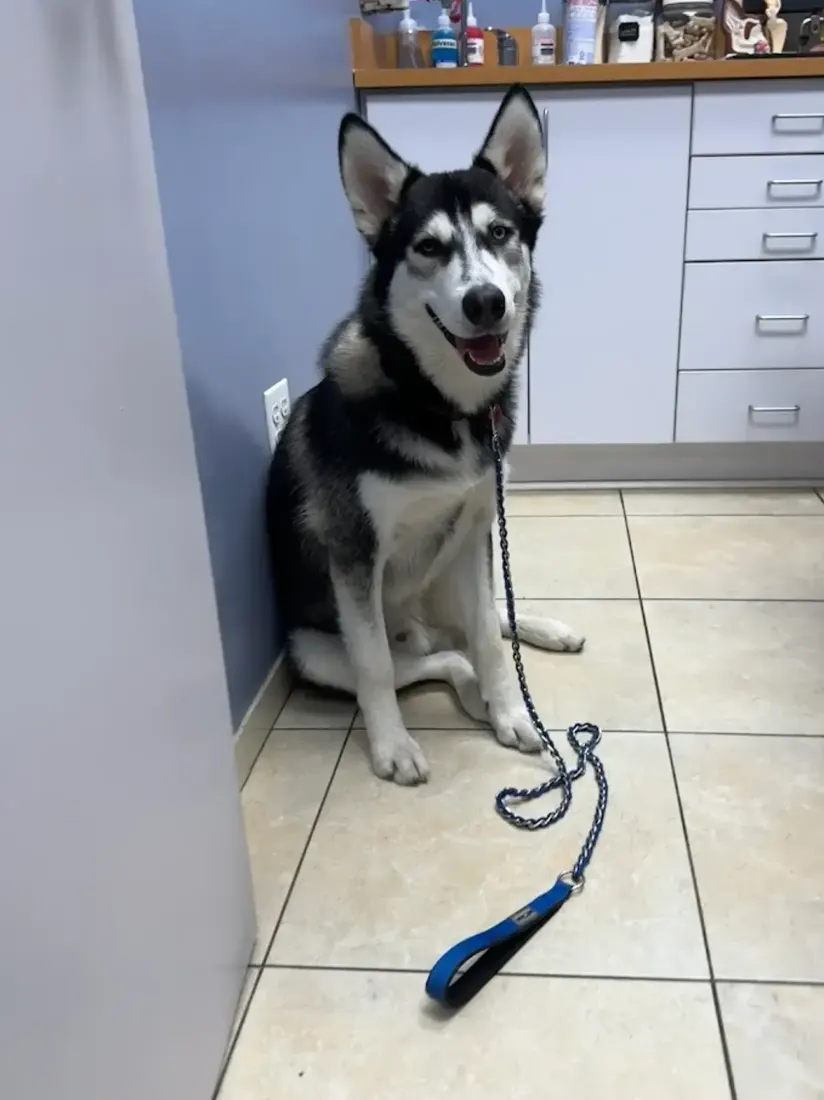
What Age Is a Dog Classed as Old?
In veterinary medicine, most dogs are classed as old or senior once they reach about 8 to 10 years of age. However, that range shifts significantly depending on breed size—smaller dogs age more slowly, while larger dogs are considered senior earlier.
| Breed Size | Senior Age Range | Notes |
|---|---|---|
| Small | 10–12 years | Often live into mid-teens |
| Medium | 8–10 years | Average lifespan 10–13 years |
| Large | 8–9 years | Lifespan often 10–12 years |
| Giant | 6–7 years | Lifespan often 8–10 years |
For example, a 10-year-old small dog is considered a senior, while a 6-year-old Great Dane is already old. The exact age varies by breed and individual health—your vet can give you a more precise estimate.
How Breed Size Changes When a Dog Is Considered Old
Breed size is the single biggest factor in determining when a dog is classed as old. Larger breeds have shorter lifespans and reach senior status earlier, while smaller breeds often stay youthful longer.
| Breed Size | Why It Matters | Senior Age |
|---|---|---|
| Small | Slower aging, fewer joint issues | 10–12 years |
| Medium | Moderate aging, mixed genetics | 8–10 years |
| Large | Faster aging, more joint stress | 8–9 years |
| Giant | Rapid aging, high risk of arthritis | 6–7 years |
If you own a Labrador, they're typically senior around 8–9 years. A Shih Tzu, on the other hand, may not be classed as old until 10–12 years. Knowing your dog's breed size helps you plan for senior care at the right time.
What Changes When Your Dog Becomes a Senior
Once your dog crosses the senior threshold, their care needs shift. Here's what to expect and how to adapt:
- More frequent vet visits — Senior dogs should see the vet every 6 months for bloodwork and physical exams to catch issues early.
- Diet adjustments — Many seniors need lower-calorie, higher-fiber food to maintain a healthy weight.
- Joint support — Supplements like glucosamine and pain relief may be needed for arthritis.
- Dental care — Dental disease is common in seniors; regular cleanings help prevent pain and infection.
- Mental stimulation — Keep their mind active with gentle games and training to slow cognitive decline.
Directions to our vet in Forest Hills from Forest Hills, Queens
Start at Forest Hills, Queens and head to Austin Veterinary Care at 68-60 Austin St Store #8, Forest Hills, NY 11375.
Dog Years to Human Years: What Age Is Your Dog in Human Terms?
To understand how old your dog really is, convert their age to human years. The old 'multiply by 7' rule is outdated—modern formulas account for breed size and aging rates.
| Dog Age | Small Breed (Human Years) | Large Breed (Human Years) |
|---|---|---|
| 6 | 40 | 45 |
| 8 | 48 | 55 |
| 10 | 56 | 66 |
| 12 | 64 | 77 |
| 14 | 72 | 88 |
These are averages—your dog's exact human age varies by breed and health. A 9-year-old dog is roughly 52–60 in human years, depending on size.
Signs Your Dog Is Entering Their Senior Years
Beyond the calendar, your dog's body and behavior will tell you they're aging. Watch for these common signs:
- Graying muzzle — Fur around the face and eyes turns gray or white.
- Stiffness or limping — Difficulty getting up, climbing stairs, or jumping.
- Slower pace — Your dog tires more quickly on walks and sleeps more.
- Vision and hearing loss — Bumping into things or not responding to commands.
- Changes in appetite or weight — Eating less or gaining/losing weight without reason.
- Increased thirst or urination — Could signal kidney or diabetes issues.
Senior Age by Breed: When Is Your Dog Old?
Certain breeds have well-known senior ages. Here's a quick reference for popular breeds in Forest Hills and beyond:
| Breed | Senior Age | Lifespan Expectancy |
|---|---|---|
| Shih Tzu | 10–12 years | 10–16 years |
| Labrador Retriever | 8–9 years | 10–12 years |
| French Bulldog | 8–10 years | 10–12 years |
| German Shepherd | 8–9 years | 9–13 years |
| Golden Retriever | 8–9 years | 10–12 years |
These are general guidelines—individual dogs vary. If you're unsure, ask your vet during a wellness exam.
Dog Years to Human Years: What Your Dog's Age Really Means
Comparing your dog's age to human years helps you grasp their life stage. The first year of a dog's life equals about 15 human years; the second adds 9 more; each year after that adds 4–5, depending on size.
| Dog Age | Human Equivalent (Small) | Human Equivalent (Large) |
|---|---|---|
| 1 | 15 | 15 |
| 2 | 24 | 24 |
| 5 | 36 | 40 |
| 10 | 56 | 66 |
| 15 | 76 | 93 |
So a 10-year-old small dog is roughly 56 in human years—still a senior, but not ancient. A 10-year-old large dog is closer to 66, reflecting their faster aging.
For details on services and visits, see the main page about vet forest hills.
Sources
Frequently asked questions
What age do most dogs pass away?
Most dogs pass away between 10 and 13 years of age, but this varies widely by breed and size. Small breeds often live into their mid-teens, while giant breeds may only reach 8–10 years. Genetics, diet, and healthcare play a big role.
Should you walk a 14-year-old dog?
Yes, but adjust the intensity. A 14-year-old dog benefits from short, gentle walks to maintain joint mobility and mental stimulation, but avoid long or strenuous outings. Watch for signs of fatigue or pain, and consult your vet if you're unsure about the right amount.
Do any dogs live to 20 years?
Yes, some small breed dogs live to 20 years or more, though it's rare. The oldest recorded dog lived to 31. Small breeds like Chihuahuas, Toy Poodles, and Jack Russell Terriers are more likely to reach 18–20 with excellent care.
What is the #1 cause of death in dogs?
Cancer is the leading cause of death in older dogs, especially in certain breeds like Golden Retrievers and Boxers. Other common causes include heart disease, kidney failure, and age-related organ decline. Regular senior checkups help catch these early.
Also asked as
- When is a dog considered a senior?
- What age is a dog considered old?
- How old is a senior dog?