
Questions
What Happens If You Can't Afford a Pet Surgery?
If you can't afford a pet surgery, you still have options: ask your vet about payment plans or hardship assistance, apply for financing like CareCredit or Scratchpay, seek grants from nonprofits, or explore low-cost clinics. Don't delay—call your vet immediately to discuss alternatives.
What Happens If You Can't Afford a Pet Surgery? Your First Steps
When your pet needs surgery and you can't afford it, the worst thing you can do is wait. Here's what to do right now.
- Call your vet immediately—Explain your situation honestly. Many clinics, including ours, can offer payment plans or point you to resources. Delaying can turn a treatable condition into an emergency.
- Ask for a written estimate—Get an itemized breakdown of the surgery cost, including anesthesia, medications, and follow-up care. This helps you compare options and apply for assistance.
- Explore financing—Apply for CareCredit or Scratchpay, which offer installment plans. Approval can happen in minutes, and some plans have 0% interest for a promotional period.
- Check nonprofit grants—Organizations like The Pet Fund, RedRover, and Waggle provide financial assistance for veterinary care. Each has its own application process, so start early.
- Consider low-cost clinics—Some shelters and community programs offer reduced-cost surgeries. Search for options in your area, but verify they can handle your pet's specific needs.
- Don't surrender your pet out of panic—Surrendering to a shelter is a last resort, but it's better than letting your pet suffer. Many shelters can provide care or rehome your pet responsibly.
At Austin Veterinary Care in Forest Hills, we see pets from Rego Park, Kew Gardens, and beyond. We offer same-day urgent care and can discuss options with you. Call us at (718) 480-6100.


Payment Plans, Financing, and Hardship Assistance for Pet Surgery
You have several ways to spread out the cost of surgery. Here's a comparison of common options.
| Option | How It Works | Pros | Cons |
|---|---|---|---|
| Vet payment plans | Clinic sets up a monthly schedule | No credit check, flexible terms | May require deposit, limited availability |
| CareCredit | Healthcare credit card | 0% interest promotions, quick approval | High APR after promo, credit check |
| Scratchpay | Medical installment loans | Accepts lower credit scores, transparent terms | Interest rates vary, may need co-signer |
| Nonprofit grants | Charities like The Pet Fund, RedRover | Free money, no repayment | Limited funds, application process, eligibility criteria |
| Hardship assistance | Some clinics offer discounts or charity care | Direct reduction in cost | Not always available, income-based |
Ask your vet if they offer in-house payment plans. We accept CareCredit and can help you apply. Learn how to apply for pet financing at our clinic.
Financial Assistance and Urgent Care Grants for Pet Surgery
If you can't afford surgery, nonprofit grants and charitable programs can step in. Here's how to access them.
- Start with The Pet Fund—This nonprofit provides financial assistance for veterinary care, including surgeries. Apply online with your vet's estimate.
- Check RedRover—RedRover offers grants for urgent care, especially for pets in life-threatening situations. Their application is straightforward.
- Try Waggle—Waggle is a crowdfunding platform specifically for vet bills. You create a campaign, and donors contribute directly to your vet.
- Contact local shelters and rescues—The Humane Society and ASPCA sometimes have emergency funds or can direct you to local resources.
- Ask your vet about hardship assistance—Some clinics, including ours, may offer discounts or work with charities. It never hurts to ask.
Grants are competitive, so apply as soon as you have an estimate. For Forest Hills pet owners, we can help you navigate these options. Explore free vet care options in Forest Hills.
When Euthanasia Is the Only Option: What to Know
If you truly cannot afford surgery and no assistance is available, euthanasia may be the compassionate choice to prevent suffering. It's a deeply personal decision, and your vet can help you weigh the options.
A good fit if…
- Your pet is in pain that can't be managed.
- The surgery has a low success rate or poor prognosis.
- You've exhausted all financial options and your pet's quality of life is declining.
Consider another option if…
- Your pet has a good chance of recovery with surgery.
- You haven't yet explored all payment plans or grants.
- There are low-cost alternatives that could still help.
Talk to your vet honestly. They can help you decide based on medical facts and your pet's comfort. If euthanasia is the path, we can guide you through it with compassion.
Directions to our vet in Forest Hills from Parkside station
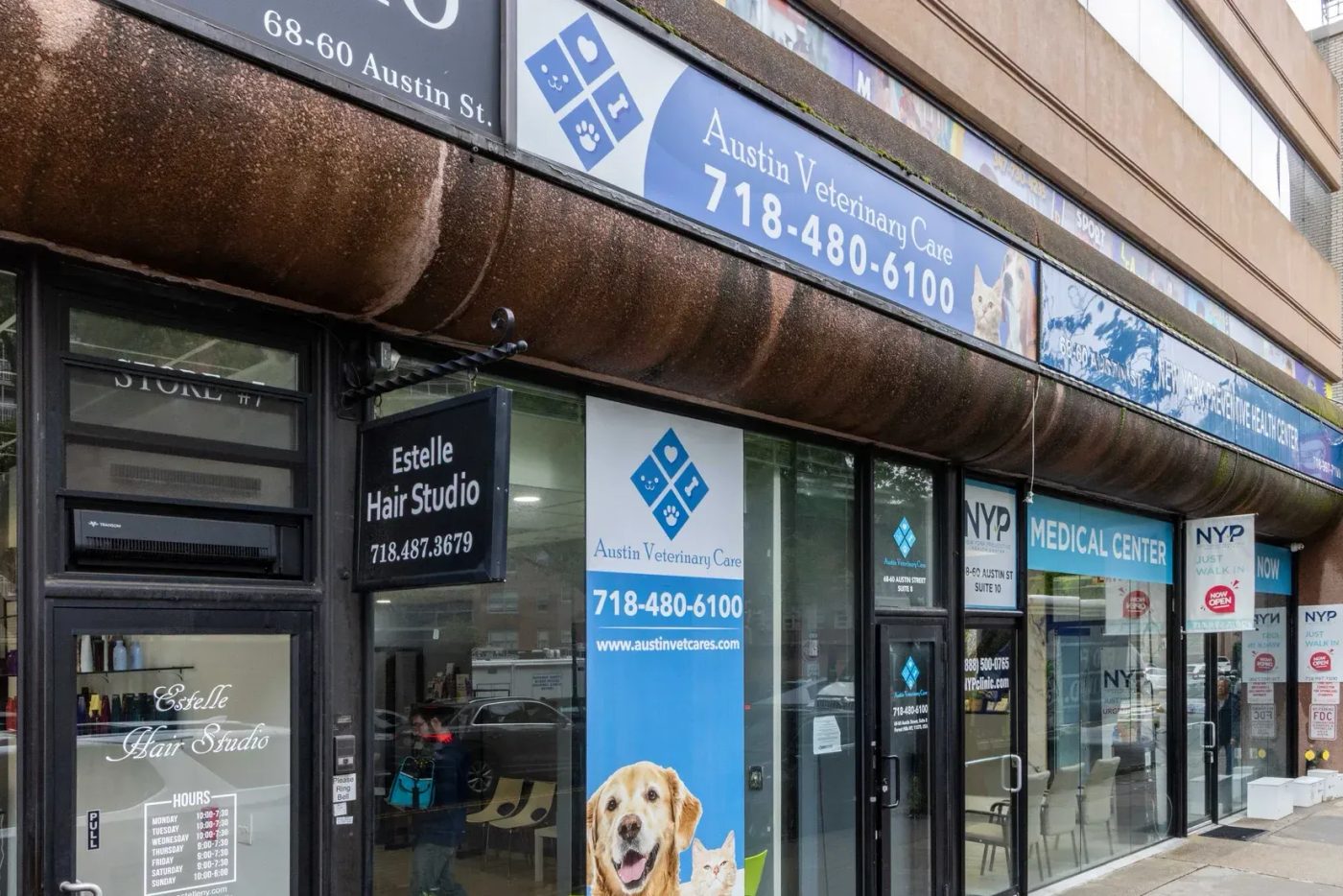
Start at Parkside station and head to Austin Veterinary Care at 68-60 Austin St Store #8, Forest Hills, NY 11375.
Low-Cost and Free Veterinary Care Options Near You
If you need affordable care, there are options in and around Forest Hills.
- Search for low-cost clinics—Some nonprofit clinics offer reduced rates for surgeries. Check with local animal shelters.
- Contact the ASPCA or Humane Society—They often have programs for low-income pet owners.
- Ask about community events—Some areas host low-cost vaccination and wellness clinics, which can help with preventive care.
- Check with local veterinary schools—They may offer discounted services performed by students under supervision.
We're located at 68-60 Austin St Store #8, Forest Hills, NY 11375. Call us at (718) 480-6100 for guidance on local resources.
Is It Animal Abuse If You Can't Afford Vet Care?
Not being able to afford vet care is not automatically animal abuse. Animal cruelty laws typically require intentional neglect or harm. However, if your pet is suffering and you do nothing, you could be cited for neglect. The key is to take action—seek help, explore options, and document your efforts.
If you're struggling, be proactive. Call your vet, apply for assistance, and show that you're trying. That goes a long way. At Austin Veterinary Care, we've seen many pets in this situation, and we always try to work with owners.
What Happens If You Can't Pay a Vet Bill After Treatment?
If you've already had the surgery and can't pay, here's what to expect.
- Talk to your vet immediately—Most clinics will work with you on a payment plan.
- Expect possible late fees—But many vets are flexible if you communicate.
- Know your rights—Vets can't keep your pet as collateral for a bill in most states, but they can send you to collections.
- Consider a personal loan—If you have good credit, a personal loan might cover the bill.
Always be upfront. We've helped many clients set up manageable payment schedules.
How Pet Insurance Can Help You Afford Future Surgeries
Pet insurance can prevent this situation in the future. Here's a quick comparison.
| Factor | Why It Matters | Typical Range |
|---|---|---|
| Monthly premium | Cost varies by age, breed, coverage | $20–$100 per month |
| Deductible | Amount you pay before insurance kicks in | $100–$500 per year |
| Reimbursement rate | Percentage of covered costs you get back | 70%–90% |
| Coverage limits | Annual or lifetime caps | $5,000–unlimited |
Insurance doesn't cover pre-existing conditions, so it's best to enroll early.
For details on services and visits, see the main page about vet forest hills.
Sources
Frequently asked questions
What are the signs that my dog might be sick?
Common signs include lethargy, loss of appetite, vomiting, diarrhea, coughing, or difficulty breathing. If your dog shows any of these, especially for more than a day, contact your vet.
What are 10 signs that it's time to put my dog down?
Signs include chronic pain unmanageable by medication, inability to eat or drink, loss of interest in favorite activities, breathing difficulties, incontinence, and no response to treatment. Your vet can help you assess quality of life.
How to cope with euthanasia of a pet?
Allow yourself to grieve, talk to friends or a counselor, and remember the good times. Many owners find comfort in creating a memorial or supporting pet loss hotlines.
Can dogs recover from illness on their own?
Some minor illnesses may resolve without treatment, but many conditions require veterinary care. If your dog shows persistent symptoms, it's safer to see a vet.
How do dogs lay when sick?
Sick dogs often curl up in a ball to conserve heat, or they may lie on their side if in pain. Changes in sleeping position can be a sign of discomfort.
Also asked as
- My dog needs surgery but I can't afford it—what can I do?
- What if I can't pay for my pet's emergency surgery?
- Are there programs that help pay for pet surgery?