
Questions
What Is an Average Vet Bill? A Complete Cost Guide
A routine vet visit typically costs between $50 and $250 for the exam fee alone, with total bills averaging $100–$300 depending on services. Annual care runs $700–$1,500 for most pets, while emergencies can reach thousands. Costs vary by location, pet type, and clinic.
What Is an Average Vet Bill for a Routine Visit?
A routine vet visit typically includes an exam fee plus any recommended vaccinations, fecal tests, or preventive medications. The total varies widely depending on your pet's species, age, and location. Below is a general breakdown of what drives the cost for a basic checkup.
| Factor | Why It Matters | Typical Range (General) |
|---|---|---|
| Exam fee | Covers the veterinarian's time to perform a physical exam, listen to heart and lungs, check eyes, ears, mouth, and palpate the abdomen. | $40–$100 for a standard visit; varies by clinic and city |
| Vaccinations (e.g., rabies, distemper) | Required by law or recommended to prevent common diseases; core vaccines are given annually or every three years. | $15–$40 per vaccine |
| Fecal test (fecal float) | Checks for intestinal parasites; often required for boarding, daycare, or annual wellness. | $25–$60 |
| Heartworm test | Annual blood test for dogs; recommended for cats in some regions. | $35–$75 |
| Preventive medications (heartworm, flea/tick) | Monthly or long-acting oral/topical products; cost depends on pet weight and product. | $10–$30 per month (varies by product) |
| Additional diagnostics (bloodwork, urinalysis) | Baseline bloodwork or urinalysis may be included in a senior wellness or sick visit. | $50–$200 depending on panel |
For a healthy young pet, a routine visit with core vaccines and a fecal test often falls between $100 and $250. For a cat or small dog, the lower end is more common; for a large dog, expect the higher end. Always ask for a detailed estimate before any procedure. If you're looking for a breakdown of sick vs. wellness visits, see our guide on cat wellness exam vs sick visit costs.

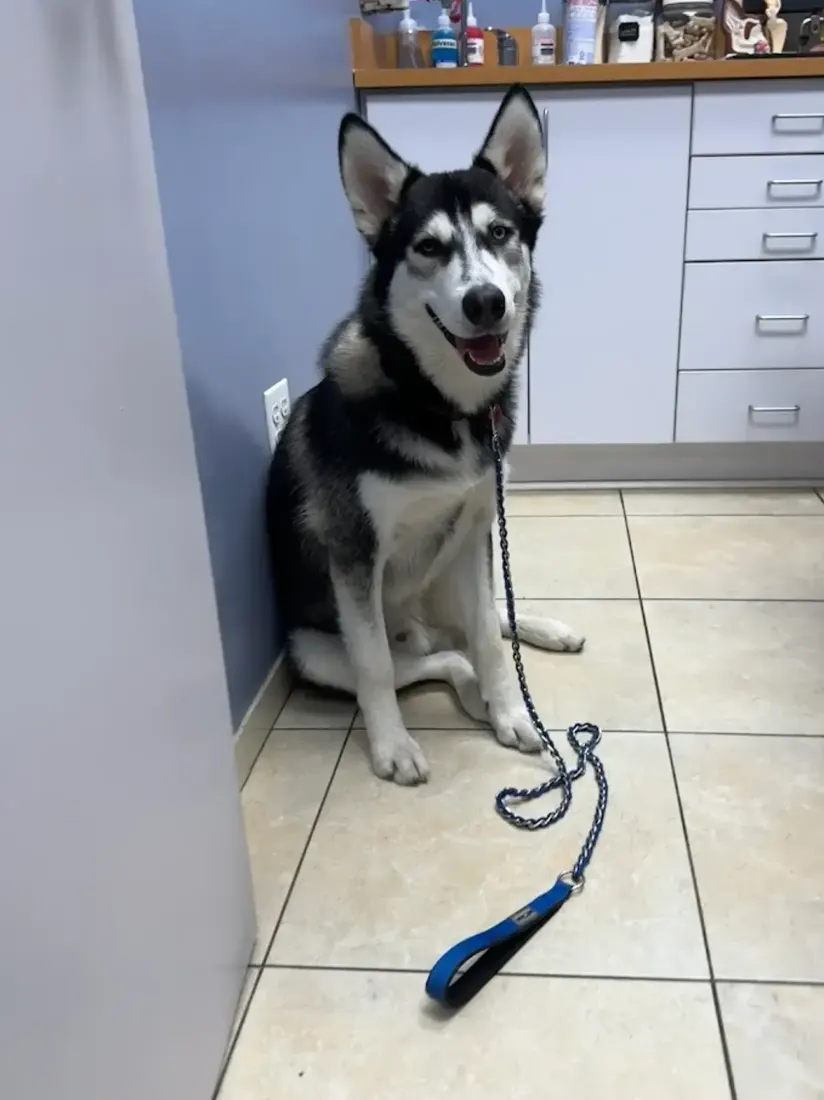
Average Annual Vet Bills: What Pet Owners Spend Each Year
Yearly vet costs for a healthy pet typically range from $700 to $1,500, including the annual exam, vaccines, preventives, and occasional minor issues. Dogs tend to cost slightly more than cats, with averages around $660 per year for dogs and $560 for cats in recent surveys.
| Expense Category | What It Covers | Annual Range (varies) |
|---|---|---|
| Routine wellness | Exam, vaccines, fecal, heartworm test | $200–$400 |
| Preventive medications | Flea, tick, heartworm preventives | $100–$300 |
| Dental care | Cleaning, possible extractions | $300–$800 |
| Unexpected illness/injury | Minor infections, ear issues, etc. | $200–$1,000 |
| Total annual | All of the above combined | $700–$1,500 |
First-year costs for puppies and kittens are higher—often $1,200–$2,500—due to spay/neuter surgery, multiple vaccine visits, and microchipping. Senior pets also see higher bills because of blood work and chronic condition management. Budgeting for annual care helps avoid surprise expenses.
How Vet Bills Vary: Dogs vs. Cats, Puppies vs. Seniors, and by City
Vet costs aren't one-size-fits-all. Your pet's species, age, and your location all shift the final bill. Here's a comparison to help you plan.
| Factor | Typical Cost Impact | Why It Matters |
|---|---|---|
| Dog vs. cat | Dogs often cost 10–20% more | Larger size, higher medication doses, more preventive care |
| Puppy/kitten (year 1) | $1,200–$2,500 | Multiple vaccines, spay/neuter, microchip, deworming |
| Senior pet | +$200–$500 per year | Blood work, dental, arthritis, chronic disease management |
| Location (e.g., NYC vs. rural) | City clinics charge 20–50% more | Higher overhead, rent, and wages in urban areas |
| Clinic type | General practice vs. specialty | Specialists and emergency hospitals have higher fees |
In Forest Hills, Queens, you'll see prices typical of New York City. For example, a routine exam might be $80–$150, while the same visit in a smaller town could be $50–$80. Always compare local clinics and ask for estimates.
Why Vet Bills Are Rising—and What Goes Into the Cost
Vet bills have climbed in recent years because modern veterinary medicine now offers advanced diagnostics, specialized surgeries, and better medications—all of which cost more. Your bill covers not just the vet's time but also the clinic's overhead: equipment, staff salaries, rent, and continuing education.
| Cost Driver | Why It Raises the Bill |
|---|---|
| Advanced technology | Digital X-rays, ultrasound, in-house labs |
| Specialized training | Veterinarians and techs pursue ongoing education |
| Staff and facility | Rent, utilities, front-desk and nursing support |
| Medication and supplies | Pharmaceutical costs and disposables |
| Emergency readiness | 24/7 availability and critical care equipment |
These factors mean that a simple visit can seem pricey, but you're paying for comprehensive care. At our clinic, we aim to be transparent about costs and offer itemized estimates before any procedure.
Directions to our vet in Forest Hills from Kew Gardens–Union Turnpike station
Start at Kew Gardens–Union Turnpike station and head to Austin Veterinary Care at 68-60 Austin St Store #8, Forest Hills, NY 11375.
Emergency Vet Bills: What to Expect When It's Not Routine
Emergency vet visits can cost anywhere from $200 to $8,000 or more, depending on the severity. The exam fee alone is higher—often $150–$300—plus diagnostics, treatments, and possible hospitalization.
| Situation | Typical Range (varies) |
|---|---|
| Emergency exam fee | $150–$300 |
| Basic diagnostics (X-ray, blood work) | $300–$800 |
| Overnight hospitalization | $500–$2,000 per night |
| Surgery (e.g., foreign body removal) | $1,500–$8,000 |
| Critical care (ICU) | $2,000–$8,000+ |
Surprise vet bills can cost thousands, which is why many owners consider pet insurance or a savings fund. At Austin Veterinary Care, we offer same-day urgent care during business hours, which can be more affordable than an after-hours emergency hospital. If you're unsure, call us first.
How to Lower Your Vet Bills: Insurance, Wellness Plans, and Smart Choices
You don't have to skip care to save money. Here are practical ways to reduce what you spend at the vet.
- Invest in pet insurance — Plans can cover 70–90% of unexpected costs, but read the fine print on pre-existing conditions.
- Use a wellness plan — Many clinics offer packages that bundle exams, vaccines, and tests for a monthly fee.
- Preventive care — Regular check-ups catch issues early, avoiding costly emergency treatments.
- Ask for a written estimate — Before any procedure, request an itemized quote and discuss options.
- Consider financing — We accept CareCredit and other payment plans to spread out costs.
- Compare prices — Call a few local vets to compare exam fees and vaccine costs, but remember quality matters.
Vet Visit Costs at Austin Veterinary Care in Forest Hills
At Austin Veterinary Care in Forest Hills (11375), we aim to provide transparent pricing. Below is a general overview of what you can expect for common visits. All prices are estimates; please call for a specific quote for your pet.
| Service | What's Included | General Cost Range |
|---|---|---|
| Routine wellness exam (new client) | Free first exam for new clients (terms apply); includes physical exam, weight check, and basic consultation. | Free (first visit); regular exam $40–$80 |
| Vaccination (e.g., rabies, DAPP) | Single vaccine administration. | $20–$45 per vaccine |
| Fecal test | Intestinal parasite screening. | $30–$55 |
| Bloodwork (basic panel) | Complete blood count and chemistry profile for wellness or pre-surgical. | $80–$200 |
| Urgent care visit (same-day) | Exam for illness or injury during business hours; includes diagnostics as needed. | $80–$150 (exam only); additional tests extra |
| Dental cleaning | Scaling, polishing, and oral exam under anesthesia. | $200–$600 (varies by pet size and condition) |
| Surgery (spay/neuter, mass removal) | Includes anesthesia, monitoring, and post-op care. | $300–$1,500+ (depends on procedure) |
We accept major credit cards, cash, and CareCredit. We are located near Yellowstone Park and the 63rd Drive–Rego Park station. For a full list of services and to schedule, visit our clinic in Forest Hills.
Sources
Frequently asked questions
How to make vet bills less expensive?
You can lower vet bills by investing in pet insurance, using wellness plans, keeping up with preventive care, asking for written estimates, and comparing prices among local clinics. Financing options like CareCredit can also spread out costs.
What is the hardest animal to treat?
While not directly about cost, exotic pets like reptiles, birds, and small mammals often require specialized care and can be harder to treat due to their unique anatomy and limited veterinary specialists. This can lead to higher bills.
How much does a basic vet visit cost?
A basic vet visit typically costs between $50 and $150 for the exam fee alone. With vaccinations or other routine services, the total often reaches $100–$300.
What is the average cost of vet fees?
Average vet fees vary widely, but a routine exam averages around $50–$150, and annual care totals $700–$1,500 for most pets. Emergency visits can cost $200–$8,000 depending on severity.
Why are vets suddenly so expensive?
Vet costs have risen due to advanced technology, higher staff salaries, increased overhead, and the availability of specialized care. These factors contribute to higher bills, but they also mean better outcomes for pets.
Also asked as
- How much does a basic vet visit cost?
- What is the average cost of vet fees?
- How much is a vet visit for a cat without insurance?