
Questions
What Is the Average Vet Bill for a Dog Per Year?
The average vet bill for a dog per year is roughly $320–$480 for routine care, but most owners spend $1,400–$5,300 annually when including unexpected illness, surgery, and preventive medications. Costs vary by dog size, age, and where you live.
What Is the Average Vet Bill for a Dog Per Year?
When budgeting for your dog, the annual vet bill is one of the biggest recurring expenses. The average vet bill for a dog per year varies widely based on size, age, breed, and location, but most owners can expect to spend between several hundred and a few thousand dollars annually on routine care.
| Factor | Why It Matters | Typical Annual Range (varies) |
|---|---|---|
| Routine wellness exam | Annual checkup includes physical exam, weight check, and discussion of diet and behavior | $50–$250 |
| Vaccinations (core + optional) | Rabies, DHPP, bordetella, and others required or recommended yearly | $20–$100 |
| Heartworm & flea/tick prevention | Monthly preventives are essential year-round in many areas | $100–$300 |
| Dental cleaning (professional) | Annual dental care prevents periodontal disease and costly extractions later | $200–$600 |
| Bloodwork (senior or baseline) | Early detection of kidney, liver, or thyroid issues | $100–$300 |
| Unexpected illness or injury | Even healthy dogs can have accidents or infections | $200–$1,000+ |
These figures are general estimates. Your dog’s actual annual vet bill depends on its life stage, breed predispositions, and your location. For a personalized quote, ask your local vet during a visit.


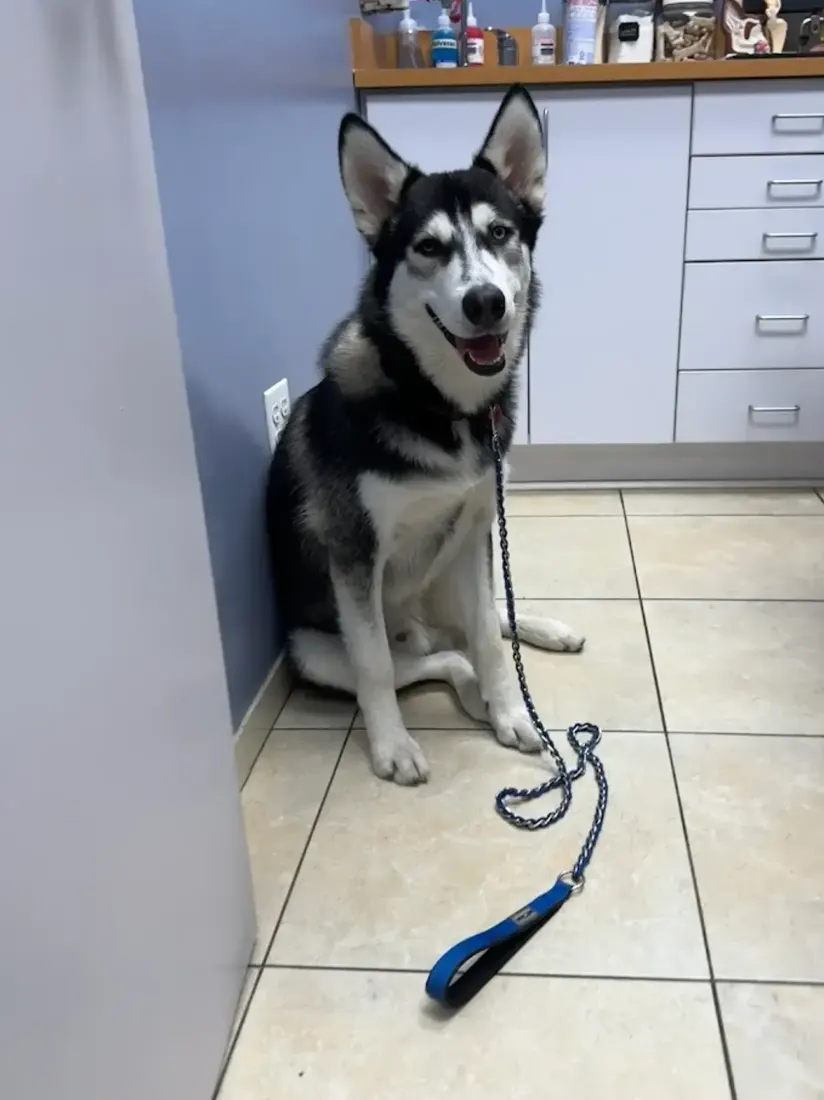

Total Annual Cost of Owning a Dog: Beyond Vet Bills
Vet care is just one part of the total annual cost of owning a dog. To budget accurately, consider all recurring expenses. Below is a breakdown of typical yearly costs beyond the vet bill.
| Expense Category | Why It Matters | Typical Annual Range (varies) |
|---|---|---|
| Food (premium dry/wet) | Quality nutrition supports health and reduces vet visits | $250–$700 |
| Treats & chews | Training rewards and dental chews | $50–$200 |
| Supplies (bed, leash, bowls, toys) | Replacement and enrichment items | $100–$300 |
| Grooming (professional) | Nail trims, ear cleaning, coat maintenance | $200–$600 |
| Pet insurance (optional) | Helps offset unexpected vet bills | $300–$800 |
| Boarding or pet sitting | Travel or work coverage | $200–$1,000+ |
| Licensing & microchipping | Local requirements and identification | $20–$100 |
Adding these to your annual vet bill, the total cost of owning a dog per year can range from roughly $1,000 to over $4,000. Small dogs often cost less; large breeds may require more food and higher medication doses. Plan for the upper end to avoid surprises.
First-Year Dog Costs: What to Expect for Puppy Vet Care
The first year of dog ownership is the most expensive for vet care. Puppies need a series of vaccinations, deworming, and often spaying or neutering. Expect to spend $500–$1,000 on vet-related costs in year one, with some puppies costing more if they need extra vaccines or have health issues.
| Item | Why It's Needed | Typical Cost |
|---|---|---|
| Puppy wellness exams (2–3) | Monitor growth, check for parasites | $100–$200 |
| Vaccination series (DHPP, rabies, etc.) | Protect against common diseases | $150–$300 |
| Deworming | Puppies often have intestinal worms | $50–$100 |
| Heartworm & flea prevention | Monthly preventive, starting at 8 weeks | $100–$200 |
| Spay/neuter | Prevents unwanted litters, reduces cancer risk | $200–$500 |
| Microchip | Permanent ID for lost pets | $50–$100 |
Some clinics offer puppy packages that bundle exams and vaccines at a discount. Ask about these when you book your puppy's first visit. Also, budget for supplies like a crate, leash, and food—those add another $200–$400 in the first year.
Do You Really Need a Yearly Vet Visit for Your Dog?
Yes—annual wellness exams are essential for catching problems early, and most vets recommend them for adult dogs. Senior dogs (7+ years) may need check-ups every 6 months. The exam is more than a physical; it's a chance to discuss diet, behavior, and preventive care.
A good fit if…
- Your dog is healthy and you want to catch issues before they become serious.
- You need prescription preventives—most require an annual exam to renew.
- You value peace of mind knowing your dog's weight, heart, and teeth are checked.
Consider another option if…
- Your dog has a terminal illness and you're only providing comfort care—then focus on quality of life visits.
- You're on a tight budget—but skipping annual exams often leads to costlier emergency care later.
If you're unsure, talk to your vet about a tailored schedule. At Austin Veterinary Care, we'll help you decide what's right for your dog's age and health.
Directions to our vet in Forest Hills from Kew Gardens–Union Turnpike station
Start at Kew Gardens–Union Turnpike station and head to Austin Veterinary Care at 68-60 Austin St Store #8, Forest Hills, NY 11375.
How Much Does a Vet Visit Cost Without Insurance?
Without insurance, a routine vet visit for a dog typically costs $145 to $240 for the exam fee alone. This does not include vaccines, lab work, or medications. A sick visit—where your dog has symptoms like vomiting or limping—can run $200–$400 once diagnostics are added.
| Service | What It Includes | Typical Cost (No Insurance) |
|---|---|---|
| Routine wellness exam | Physical exam, weight check, history | $50–$100 |
| Vaccinations (each) | DHPP, rabies, Bordetella | $20–$50 |
| Heartworm test | Blood test for heartworm disease | $50–$100 |
| Fecal exam | Checks for intestinal parasites | $40–$80 |
| Bloodwork (basic panel) | Checks organ function, blood counts | $100–$250 |
| Dental cleaning | Anesthesia, scaling, polishing | $300–$1,000 |
If you live in a high-cost area like New York City, expect the upper end of these ranges. NYC vet visit costs can be 20–30% higher than the national average. Always ask for a written estimate before any procedure.
Why Are Vet Bills So Expensive? And How to Lower Them
Vet bills reflect the cost of trained staff, medical equipment, and medications—similar to human healthcare. But there are proven ways to reduce your annual spending without compromising care.
- Invest in preventive care—annual exams and vaccines prevent costly diseases like parvovirus or dental disease.
- Use a wellness plan—many clinics offer membership plans that bundle exams and preventives for a monthly fee, which can save 20–30%.
- Ask about generics—generic heartworm and flea preventives work just as well as brand names.
- Set aside an emergency fund—even $50 a month can cover an unexpected ear infection or minor injury.
- Apply for CareCredit—this medical credit card offers 0% interest promotional periods for larger bills.
- Compare prices—call a few local clinics and ask for estimates on routine services like vaccines or dental cleanings.
For more on managing costs, see our guide on what to do if you can't afford surgery.
How Vet Costs Vary by City and State
Vet costs vary significantly by location. Urban areas with higher overhead—like New York City—tend to charge more for exams and procedures. Here's a general comparison based on national data:
| City/Region | Routine Exam | Annual Vet Bill (Routine) | Notes |
|---|---|---|---|
| New York City, NY | $80–$120 | $400–$600 | Higher overhead, specialist availability |
| Los Angeles, CA | $70–$110 | $350–$550 | Similar to NYC |
| Chicago, IL | $60–$90 | $300–$450 | Moderate |
| Houston, TX | $50–$80 | $280–$400 | Lower cost of living |
| Rural areas | $40–$70 | $250–$350 | Lower overhead |
If you're in Forest Hills, NY, you're in the higher-cost range. But you also have access to top-tier care. Vet visit costs in Forest Hills are competitive with the rest of Queens.
Budgeting for Vet Care in Forest Hills, NY
If you live in Forest Hills, NY (11375), knowing what local vet services typically cost helps you plan. Below is a general guide to common services. Prices vary, so always ask for a quote before your visit.
| Service | What It Includes | General Cost Range (varies) |
|---|---|---|
| Wellness exam (annual) | Physical exam, weight check, discussion of diet and behavior | $50–$150 |
| Vaccination (core, per shot) | Rabies, DHPP, bordetella | $20–$50 |
| Dental cleaning (professional) | Scaling, polishing, oral exam | $200–$500 |
| Bloodwork (senior panel) | Complete blood count, chemistry profile | $100–$300 |
| Urgent care visit (same-day) | Exam and treatment for minor illness or injury | $100–$250 |
| Heartworm test | Annual screening | $30–$60 |
Our team at Austin Veterinary Care in Forest Hills offers same-day urgent care during business hours and accepts major credit cards, cash, and CareCredit. We are closed on weekends. To budget, consider setting aside $50–$100 per month for routine and unexpected vet care. Call us for a personalized estimate based on your dog’s needs.
Sources
Frequently asked questions
Do I have to take my dog to the vet yearly?
Yes, annual wellness exams are recommended for adult dogs. They help catch early signs of disease, maintain vaccine schedules, and renew prescriptions for heartworm and flea prevention. Senior dogs may need visits every 6 months.
Why are dog vet bills so expensive?
Vet clinics have high overhead—staff salaries, medical equipment, and medications. Emergency care and specialty services cost more due to advanced training and equipment. Preventive care is the best way to avoid large bills later.
What is the cheapest dog breed?
Small breeds like Chihuahuas, Dachshunds, and Beagles tend to have lower vet costs because they need smaller medication doses. Mixed breeds are often healthier and may have fewer hereditary conditions, reducing lifetime vet expenses.
What breed of dog do vets not recommend?
Vets often caution against brachycephalic (flat-faced) breeds like Bulldogs, Pugs, and French Bulldogs due to breathing issues, eye problems, and higher surgery risks. These breeds typically have higher vet bills and more frequent health issues.
What is the no. 1 lazy dog?
The Bulldog is often considered the laziest dog breed, known for sleeping 12–14 hours a day. Other low-energy breeds include the Basset Hound, Shih Tzu, and Great Dane. Lazy doesn't mean no exercise—they still need daily walks.
Also asked as
- How much does a vet visit cost for a dog?
- What is the annual cost of dog vet care?
- How much should I budget for dog vet bills each year?