
Questions
What Words Do Dogs Love to Hear?
Dogs love words associated with positive experiences like 'walkies,' 'treat,' 'outside,' 'dinner,' 'good boy/girl,' and 'car ride.' These words become meaningful through repetition and reward, triggering excitement and joy in your furry friend.
The Words Dogs Love to Hear Most
If you've ever watched your dog's ears perk up and tail wag furiously at the mere mention of a word, you know some words just hit different. Studies and shared experience point to a clear winner: walkies. It's not just the word itself—it's the promise of adventure, sniffing, and freedom. Close behind are treat, outside, dinner, good boy/girl, car ride, park, and fetch. These words are tied to things your dog genuinely loves, so they spark immediate joy.
What's fascinating is that dogs don't just hear the sound; they associate the word with the experience. When you say 'walkies,' your dog's brain lights up with anticipation. It's why your dog might start spinning in circles or run to the door before you've even grabbed the leash. The reaction is pure, unfiltered excitement—and it's one of the best parts of living with a dog.
If you're looking for a quick list to test on your own pup, try these: walkies, treat, outside, dinner, good boy/girl, car ride, park, and fetch. Say them with a happy tone and watch the magic happen. Your dog's response will tell you which ones are their favorites.
Sounds Dogs Love Beyond Words
Words are powerful, but sounds speak volumes to a dog. The crinkle of a treat bag, the jingle of a leash, the squeak of a toy—these noises can send your dog into a frenzy of excitement. Dogs are masters of association, and they quickly learn that certain sounds mean good things are coming.
Some dogs go wild for the sound of a bell—especially if it's tied to going outside. Others respond to a specific whistle or a clicker used in training. High-pitched, playful sounds often mimic the tones dogs use with each other, which is why a silly 'aroo' or a happy 'yip' can make your dog tilt their head or howl along. It's a form of bonding that goes beyond vocabulary.
On the flip side, some sounds can be stressful—thunder, fireworks, or even a vacuum cleaner. Knowing which sounds your dog loves and which they find scary helps you create a more comfortable environment. If your dog seems anxious around certain noises, a calm, reassuring voice can work wonders. For more on keeping your dog calm, our team at Austin Veterinary Care in Forest Hills is always here to help.
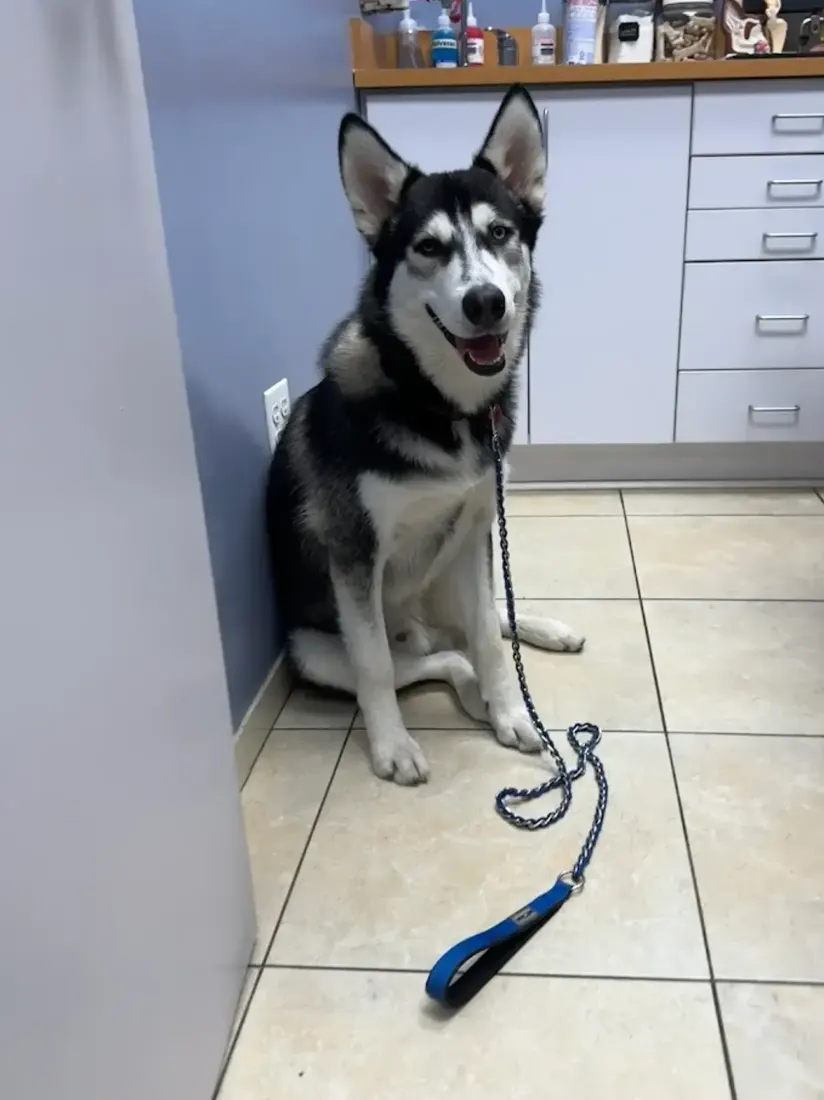

Why Dogs React to Certain Words
Dogs don't understand language the way humans do, but they're incredibly good at picking up on patterns. When you say a word like 'outside' and then take your dog out, a connection forms. Over time, that word becomes a signal—a promise of something enjoyable. It's not grammar or syntax; it's pure association.
Research shows that dogs process words in a way similar to humans, using the left hemisphere of the brain for vocabulary and the right for tone. That's why saying 'good boy' in a flat, bored voice might get a less enthusiastic response than saying it with genuine excitement. The word matters, but the tone matters just as much.
Dogs also pick up on context. If you always say 'walkies' while grabbing the leash, your dog learns that the word plus the action equals a walk. If you say it randomly, the reaction might be more subdued. That's why consistency is key—both in the words you use and the routines you build around them.
Saying 'I Love You' in Dog Language
Dogs may not understand the literal meaning of 'I love you,' but they absolutely understand affection. The best way to communicate love in dog language is through actions: gentle petting, a soft voice, eye contact, and quality time. A dog that leans into you, wags its tail, or gives you a slow blink is already saying it back.
One of the most powerful ways to say 'I love you' is through a warm, relaxed tone. Dogs are highly attuned to our emotional state, and a calm, happy voice tells them everything is safe. Physical touch—like scratching behind the ears or a belly rub—releases oxytocin in both of you, strengthening your bond.
Do dogs know the word 'cute'? Probably not, but they know when you're cooing at them. The pitch and rhythm of your voice matter more than the specific word. So go ahead and shower your dog with sweet talk—they're listening to the feeling behind it.
Directions to our vet in Forest Hills from Forest Hills High School
Start at Forest Hills High School and head to Austin Veterinary Care at 68-60 Austin St Store #8, Forest Hills, NY 11375.
How Many Words Can a Dog Learn?
Dogs are smarter than we often give them credit for. While the average dog understands around 165 words, some super-learners have mastered over 1,000. The key is consistent training and positive reinforcement. Here's a breakdown of what different levels of vocabulary look like:
| Vocabulary Size | What It Means | Examples |
|---|---|---|
| Basic (10–50 words) | Everyday commands and cues | Sit, stay, come, no, good boy |
| Average (100–200 words) | Most dogs fall here | Walkies, treat, outside, dinner, car ride |
| Advanced (200–500 words) | Dogs with lots of training | Names of toys, people, places |
| Super Learner (500+ words) | Rare, often trained intensively | Chaser the Border Collie knew 1,022 words |
Your dog's vocabulary depends on how much time you invest. Even a few minutes a day can expand their understanding and deepen your connection.
Calming Words and Canine Emotions
Just as certain words excite, others can calm. Soft, low-toned words like 'easy,' 'relax,' or 'settle'—when spoken slowly and soothingly—can help an anxious dog unwind. The key is the tone and pacing. A gentle, rhythmic voice signals safety, much like a mother dog's quiet presence.
Do dogs ever feel sorry? They can feel fear, guilt, or sadness based on your reaction, but true remorse is more complex. When your dog looks 'guilty' after chewing a shoe, they're likely responding to your tone and body language, not understanding they did wrong. That's why punishment isn't effective—it just creates anxiety.
If your dog is stressed, try using a calm word in a quiet, reassuring voice. Pair it with a gentle pet or a treat to reinforce the positive association. Over time, your dog will learn that this word means safety and comfort.
How to Teach Your Dog New Words
- Choose a word—Pick a word you'll use consistently, like 'park' or 'walkies.'
- Pair it with the action—Say the word right before you do the activity, so your dog connects the two.
- Use a happy tone—Excitement in your voice makes the word more memorable.
- Reward immediately—Give a treat or praise right after the action, so your dog links the word to a positive outcome.
- Repeat daily—Consistency is key. The more often your dog hears the word in context, the faster they'll learn it.
- Test it—After a few days, say the word without the action and see if your dog reacts. If they do, you've successfully taught a new word!
Trigger Words: What They Are and How They Affect Your Dog
Trigger words are words or phrases that cause a strong emotional response in your dog—either positive or negative. For example, 'walkies' or 'treat' might send your dog into a happy frenzy, while 'vet' or 'bath' could cause anxiety. These words become triggers through past experiences and associations.
Understanding your dog's trigger words is crucial for their well-being. If a word causes fear, try to avoid it or pair it with positive experiences to change the association. If a word causes over-excitement, use it strategically—like before a walk—so it doesn't lose its power.
At Austin Veterinary Care, we often talk with pet parents about managing trigger words, especially for anxious dogs. If your dog has a strong negative reaction to certain words or sounds, a behavior consultation can help. For more on calming anxious pets, check out our guide on silent health issues in dogs that might affect behavior.
Sources
Frequently asked questions
How do I say 'I love you' in a dog?
Dogs understand love through actions, not words. Gentle petting, a soft voice, and quality time are the most direct ways to communicate affection. A slow blink from your dog is their way of saying it back.
What are trigger words for dogs?
Trigger words are words that cause a strong emotional reaction, like excitement at 'walkies' or fear at 'vet.' They're formed through association and can be positive or negative. Managing them helps keep your dog calm and happy.
How do I say 'hi' in dog language?
A friendly greeting for a dog involves approaching calmly, letting them sniff you, and using a gentle tone. Avoid direct eye contact or looming over them, which can be intimidating. Let them come to you.
What 10 words do dogs understand?
Common words dogs understand include their name, sit, stay, come, good boy/girl, treat, outside, walkies, dinner, and no. These are all tied to routines and rewards, making them easy for dogs to learn.
Do dogs ever feel sorry?
Dogs can feel fear and sadness, but true guilt is a complex emotion they likely don't experience. The 'guilty look' is usually a response to your tone and body language, not an understanding of wrongdoing.
Also asked as
- What are the best words to say to a dog?
- What words make dogs happy?
- What phrases do dogs respond to?